[Categories]Automotive [Tags]Car Diagnostic Tools, OBD2 Scanners, Code Readers, Vehicle Maintenance
Troubleshooting a dashboard check engine light doesn’t have to require an expensive trip to the mechanic. The VDIAGTOOL VD10 Car OBD2 Scanner offers an affordable, plug-and-play way to diagnose fault codes instantly. However, while it excels at engine metrics, it won’t clear non-engine system errors.
Takeaways
- The scanner’s strongest practical advantage is its direct plug-and-play functionality via the OBD2 port, requiring no batteries, apps, or wireless connections.
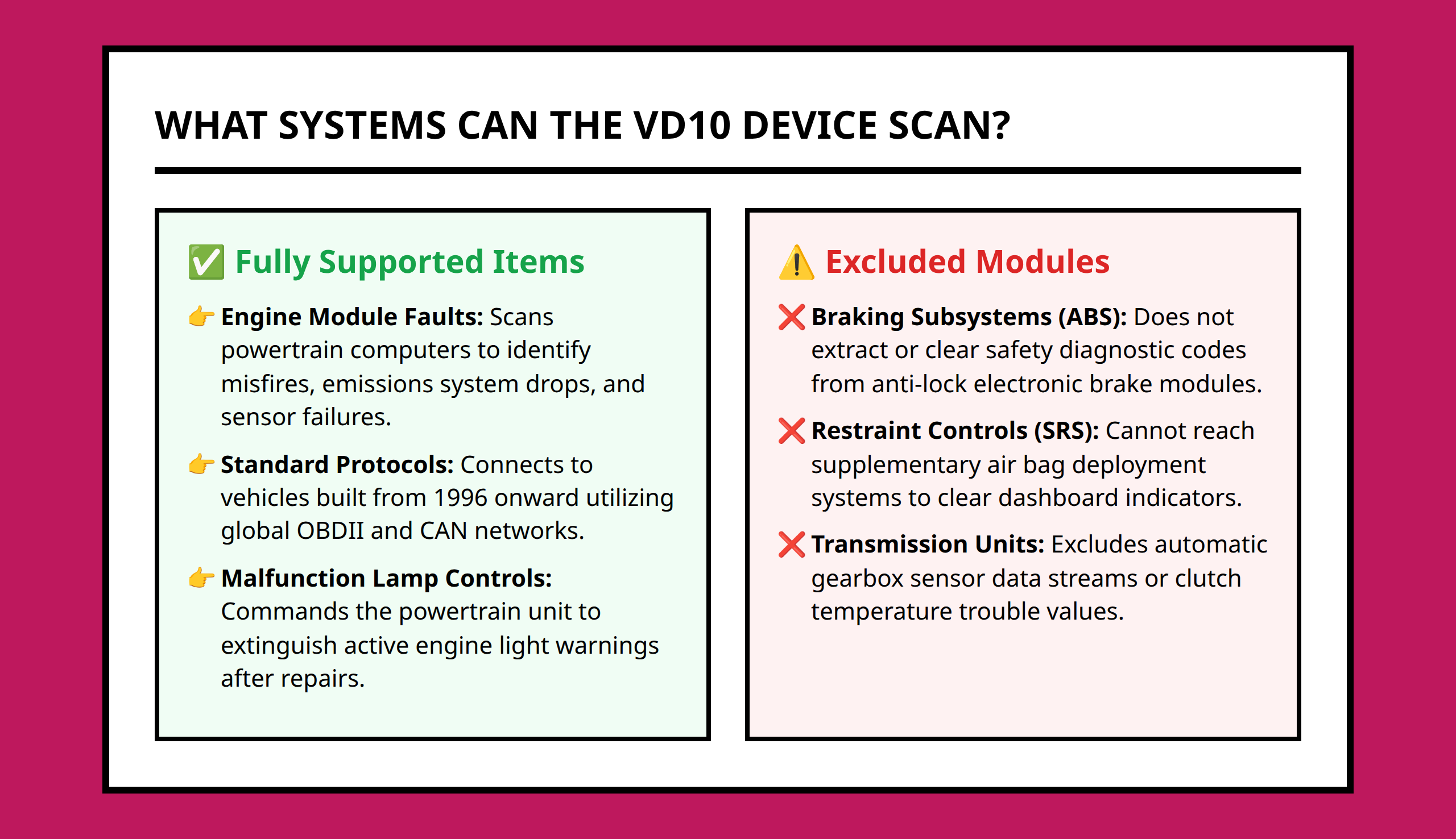
- The most important limitation is that it only diagnoses engine-related issues and cannot read or clear ABS, SRS, or transmission codes.
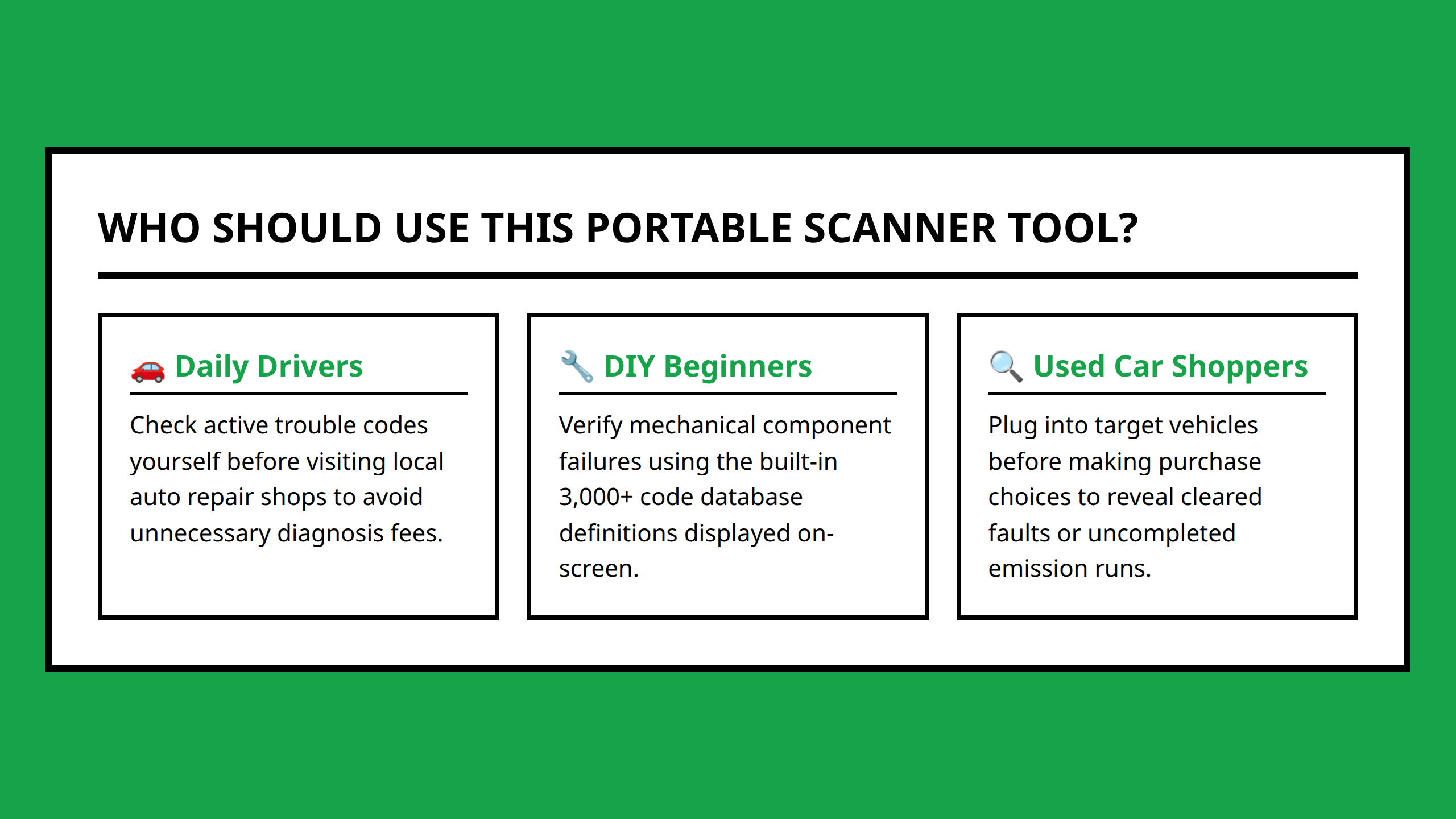
- It is most suitable for vehicle owners, DIY beginners, and used car buyers looking for a fast, hassle-free tool to read definitions from a built-in 3,000+ code database.
- Before buying, note that while the device lists lifetime upgrades, the documentation states it includes a one-year update for the latest data.
FAQ
What systems can the VDIAGTOOL VD10 diagnose?
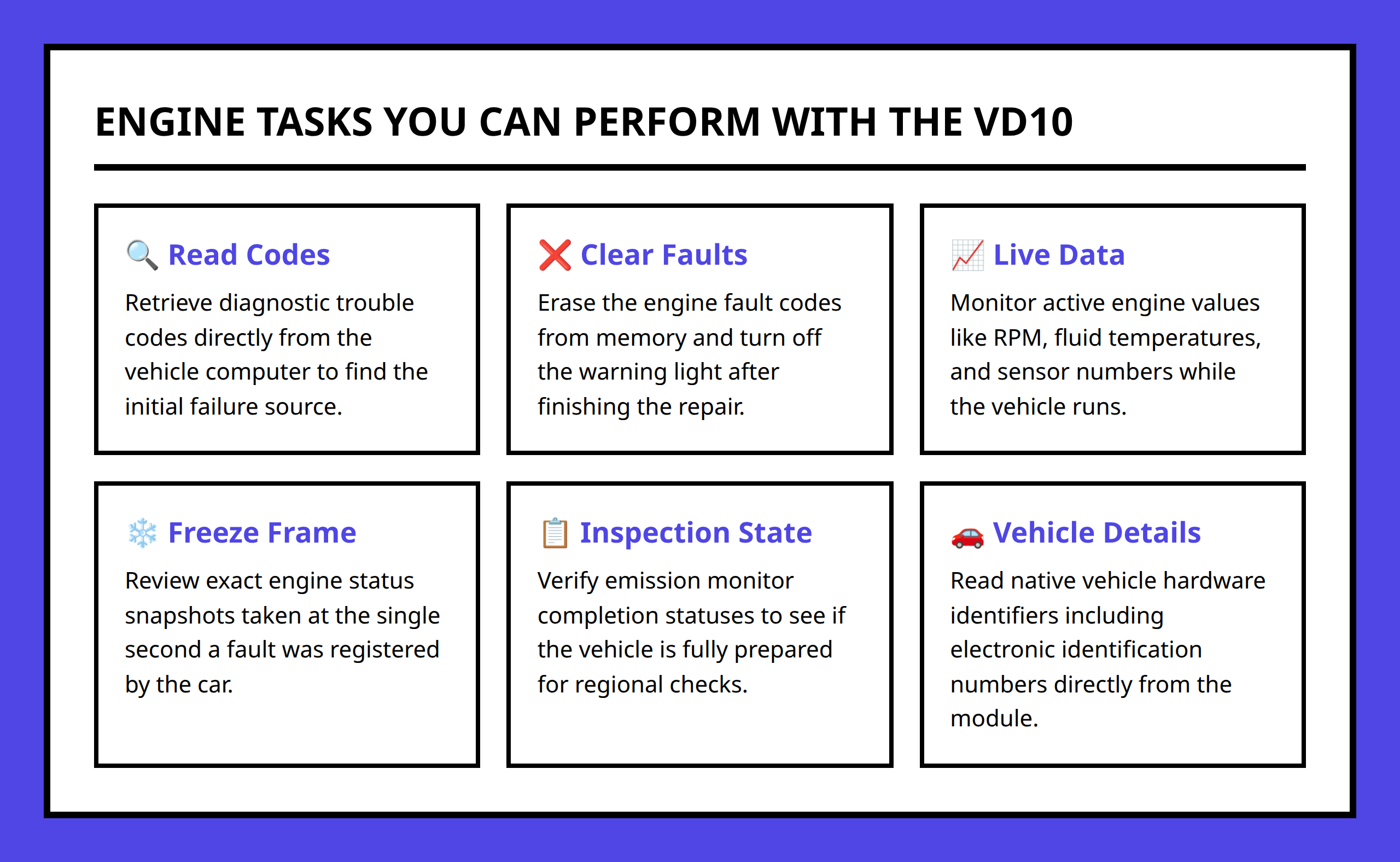
It only diagnoses engine-related issues and reads generic, pending, or manufacturer-specific malfunction codes. It cannot read or clear fault codes for non-engine systems such as ABS, SRS airbags, or your vehicle’s transmission.
Does the VDIAGTOOL VD10 require batteries or an app?
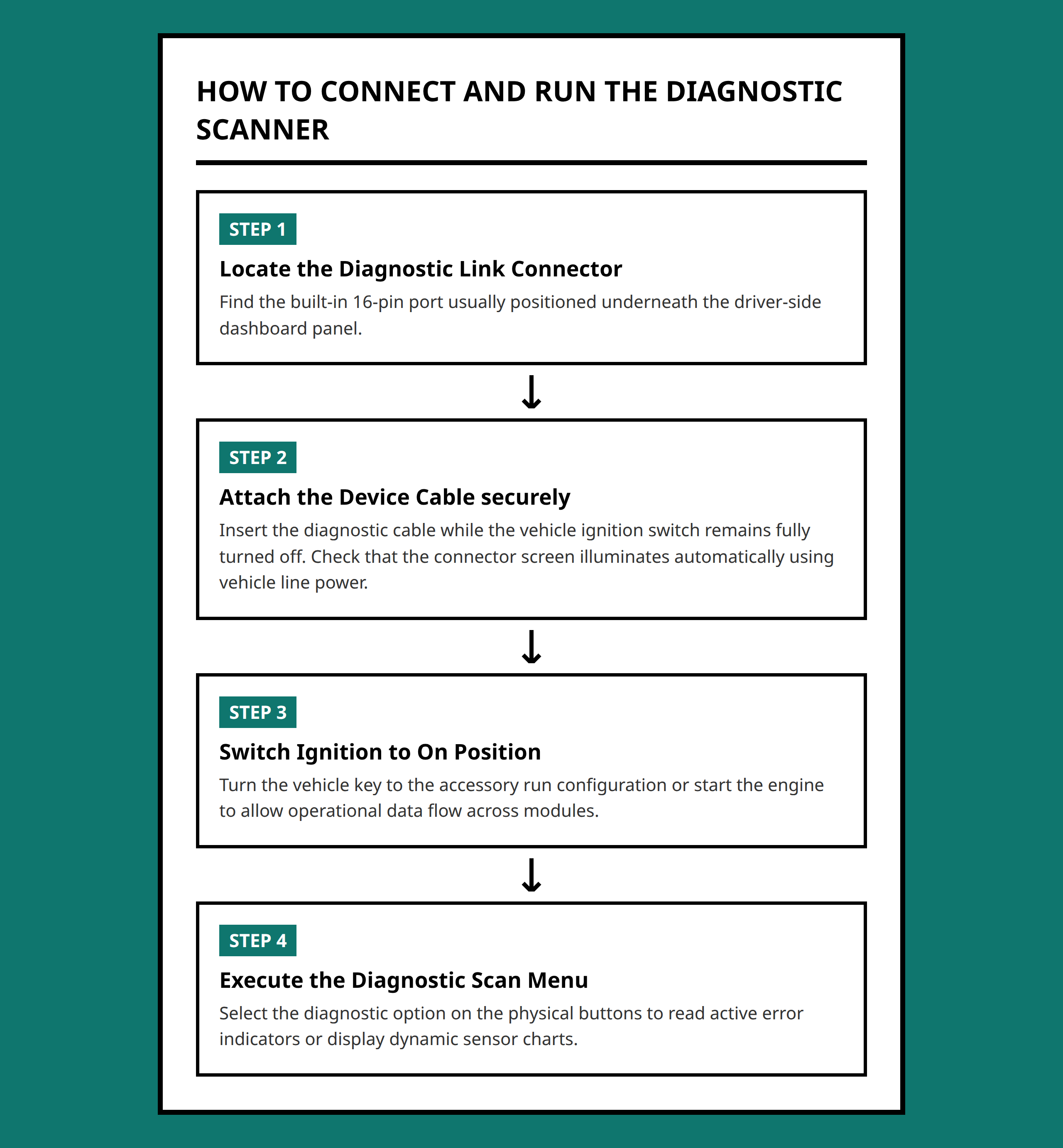
No, it does not require a smartphone app, Wi-Fi, Bluetooth, or separate battery power. The device powers on automatically as soon as you connect it directly to your vehicle’s OBD2 port.
Will this scan tool help my vehicle pass an emissions test?
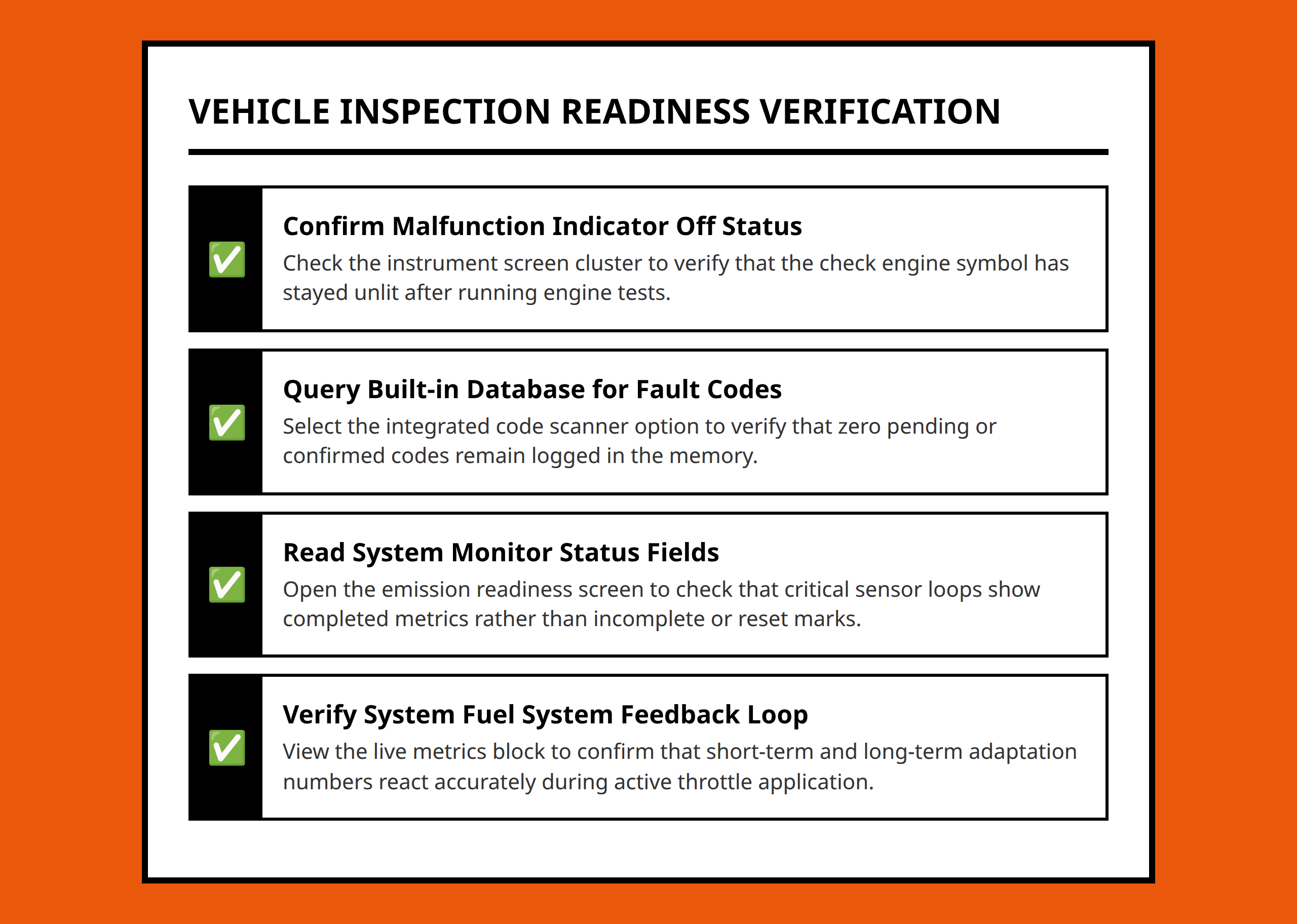
Yes, it features an I/M readiness function that runs monitor tests on the emissions system. This allows you to check if your vehicle will pass an official annual inspection or smog check before you take it in.
What vehicle models are compatible with this code reader?
It supports all OBDII and CAN protocol compliant vehicles manufactured from 1996 and newer. This covers a wide selection of American, European, and Asian car models.
- DTC (Diagnostic Trouble Code): A specialized alphanumeric fault code generated by a vehicle’s onboard electronics when a malfunction occurs in the system.
- I/M Readiness: An inspection and maintenance testing feature used to check if all emissions control components are functioning properly before annual state vehicle testing.
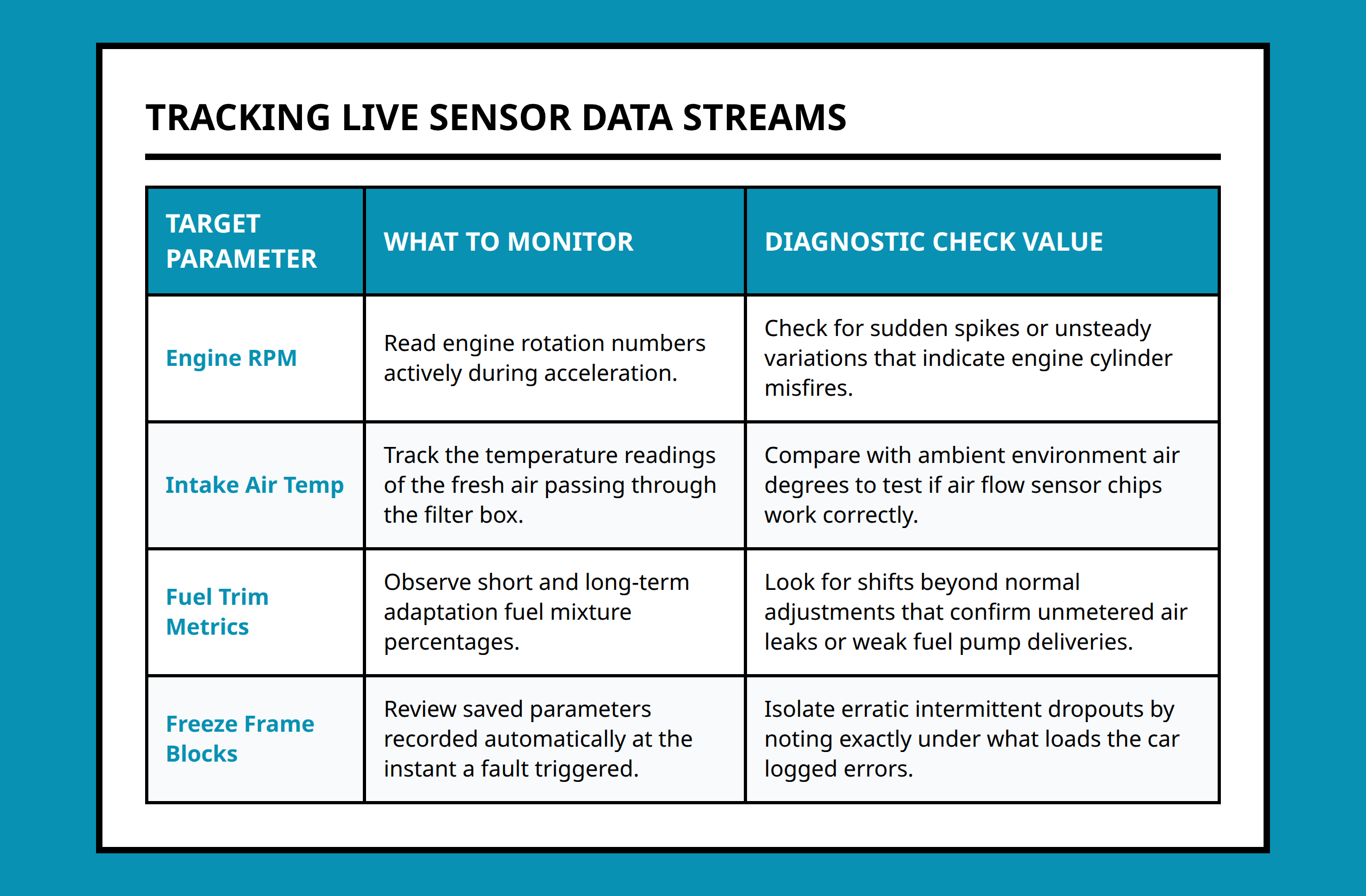
- Freeze Frame: A captured snapshot of exact engine operating parameters, such as RPM or temperature, saved by the engine control module at the exact moment a fault code is triggered.
- MIL (Malfunction Indicator Light): The official technical name for the dashboard warning light commonly referred to by vehicle owners as the check engine light.